|
||

|
||
|
||
| 芭蕉:奥の細道 Basho Tohoku Tour: Narrow Road to the NorthMay 9 - 15, 2025 PRE-TOUR PACK |
||
|
Basho Tohoku Tour: Narrow Road to the NorthTOUR JOINING INSTRUCTIONS | |

|
The tour starts at 6pm on Day 1 in Sendai. Please meet in the foyer of the tour hotel in Sendai. The tour finishes in Yamagata in the late morning on Day 7. |
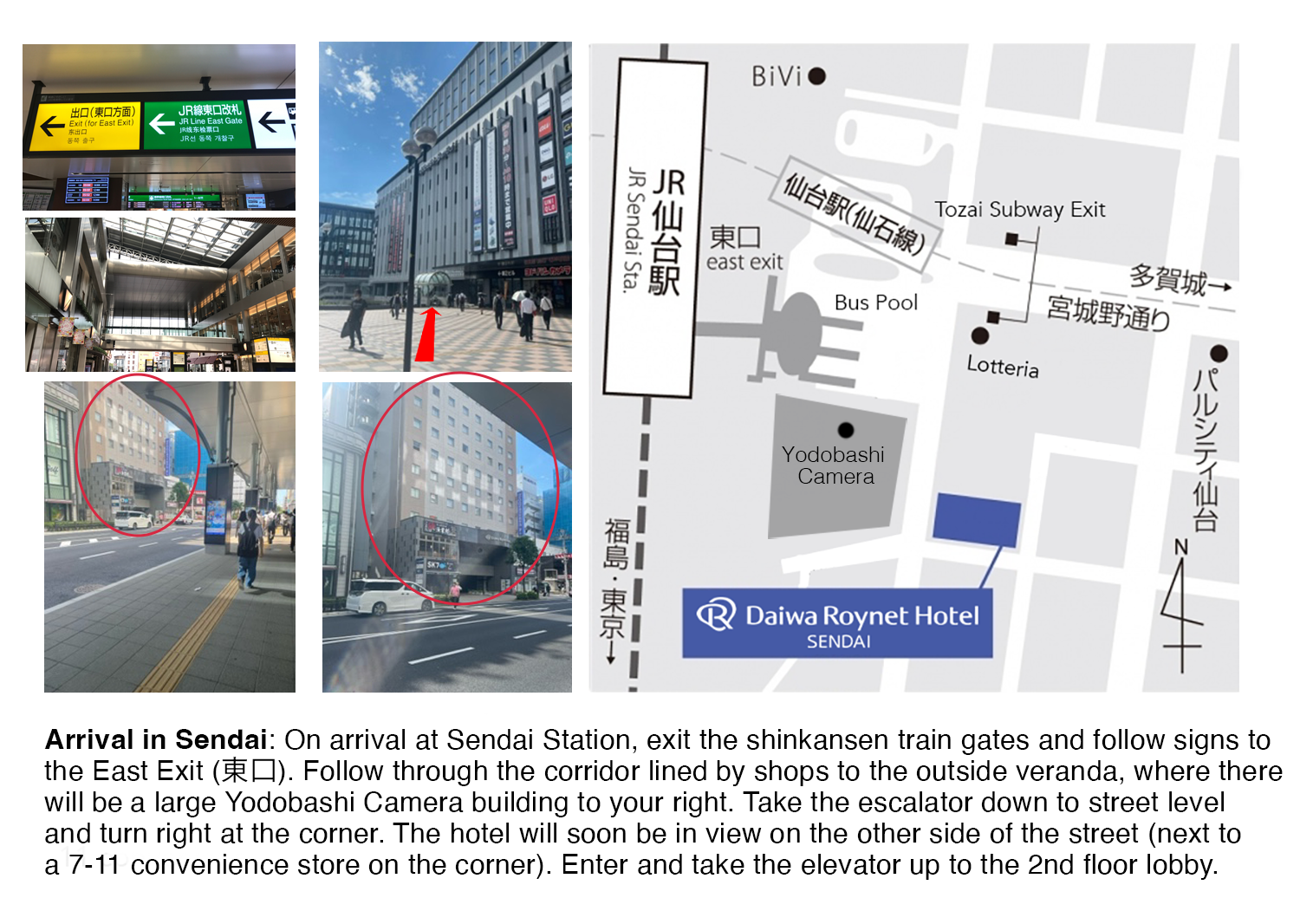
| Meeting point and time | The tour starts in the foyer of the tour hotel in Sendai at 6pm on Day 1 of the tour. Please see below the area map for the hotel, which is a short walk from JR Sendai Station. Please note that the reception staff speak English well and checking-in should be straightforward. Check-in time is 2pm. If you arrive earlier than this, you may leave your luggage at the hotel until you can access your room.
|
| Travelling to Sendai | If you would like to check train times and fares for any mainline train service in Japan, the directions feature on Google Maps is a useful tool. At almost any station tickets may be purchased before you board from touchscreen machines with English explanations available. The station staff at most central stations often speak good English and many trains, including shinkansen bullet trains, provide on-board announcements in English. |
| From Sendai International Airport (SDJ) | Sendai Airport Access trains depart every 20 ~ 30 minutes for Sendai Station, where the trains terminate. It is a short walk from here to your hotel in the centre of town.
|
| From Tokyo's Narita Airport (NRT) | Take JR railway's NEX (Narita Express) train to Tokyo Station. Trains run every 30 minutes and the journey takes 53 minutes. To Sendai from Tokyo Station please see the section below. For further details on the NEX rail service please see http://www.jreast.co.jp/e/nex/index.html. |
| From Tokyo's Haneda Airport (HND) | Board the Tokyo Monorail train which departs for and terminates at Hamamatsu Station. Transfer here to the trains on either the JR Yamanote or JR Keihin-Tohoku Lines for Tokyo Station. To Sendai from Tokyo Station please see the section below. For more details on the Monorail, please see https://www.tokyo-monorail.co.jp/english/. |
| From Tokyo Station | The journey to Sendai is made on the JR Tohoku-Hokkaido Shinkansen, one of the super-fast bullet train lines. Departures are every 20 ~ 30 minutes and the journey is either 90 minutes or 2 hours, depending on the train taken. It is a short walk from here to your hotel in the centre of town. |
Basho Tohoku Tour: Narrow Road to the NorthTOUR JOINING INSTRUCTIONS |
|
Basho Tohoku Tour: Narrow Road to the NorthCONTACTS AND ACCOMMODATION DETAILS | |||||||||||||||||||||||||||||||||||||
| All telephone numbers below are shown for when dialling from inside Japan. When dialling from outside of Japan please replace the 0 with +81. The name and contact details of your tour leader will be provided separately in another e-mail sent to you before the start of your tour. |
||||||||||||||||||||||||||||||||||||
| |||||||||||||||||||||||||||||||||||||
| For customers wishing to spend further time in Japan prior to and/or after their scheduled tours with Walk Japan, we recommend using commercial online booking or aggregator services to book additional accommodation. The sites below provide real time inventory and competitive pricing: Expedia.com, Booking.com, Agoda.com Travel by taxi in the central areas of all major cities is reasonably priced, comfortable and the most convenient way to transfer between hotels. Please contact [email protected] for a list of other hotels in the vicinity if required. |
|||||||||||||||||||||||||||||||||||||


Basho Tohoku Tour: Narrow Road to the NorthWEATHER & CLOTHING | |
| Please note that the below temperatures are approximate. Your tour leader will provide you with each day's weather forecast throughout the tour. When packing, please bear the below in mind, however, to help maintain a comfortable body temperature while walking it is best to have a number of layers of clothing that can be easily peeled off or added as required. Although the weather is generally dry during our touring seasons, please also be prepared for rain, which can be heavy at times. As we travel by public transport including local buses, trains and ferries, please pack as sparingly as possible. Any additional luggage you have which is not required for the tour can be couriered to our hotel used on the last night of the tour. Please contact us for more details. | |
| Mid-April to early May and mid-October to November tours: | In the Northern parts of Japan day temperatures will be cool to warm (15-20°C or 59-68°F). Nights will be cold to cool (4-12°C or 39-54°F) |
| Mid-May to June, and September to mid-October tours: | In the Northern parts of Japan day temperatures will be warm to hot (18-28°C or 64-82°F). Nights will be cool to warm (12-18°C or 53-64°F) |
|
WALK JAPAN WILL PAY FOR ONE ITEM OF LUGGAGE PER PERSON TO BE SENT BY COURIER. ADDITIONAL ITEMS OF LUGGAGE ARE SENT AT THE OWNER'S COST. PLEASE SEE THE TRAVEL ADVICE SECTION OF THIS DOCUMENT FOR FURTHER INFORMATION. |
|
Basho Tohoku Tour: Narrow Road to the NorthTRAVEL CHECKLIST | |
|
The following is a list of suggested items. It is not exhaustive but indicative of what you will need. Although some items are essential, you may find you do not need some others. Please also rely on your own experience to augment this list. If in doubt, please do not hesitate to contact Walk Japan. | |
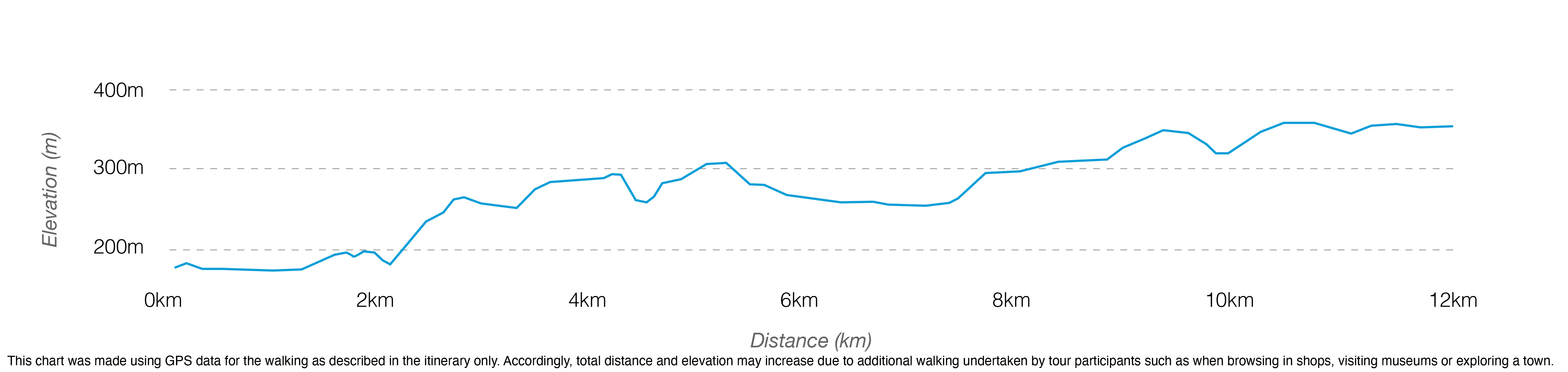
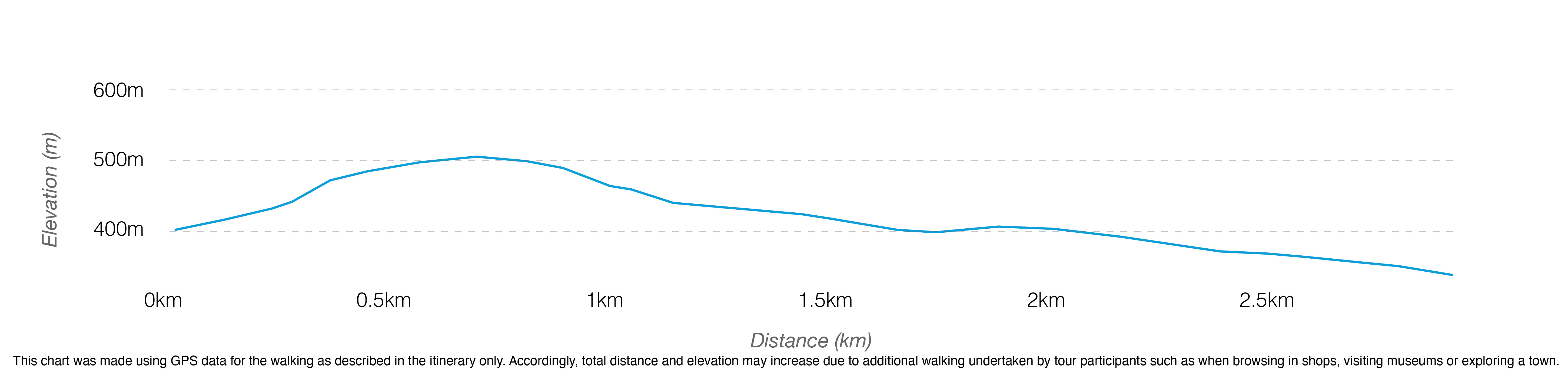
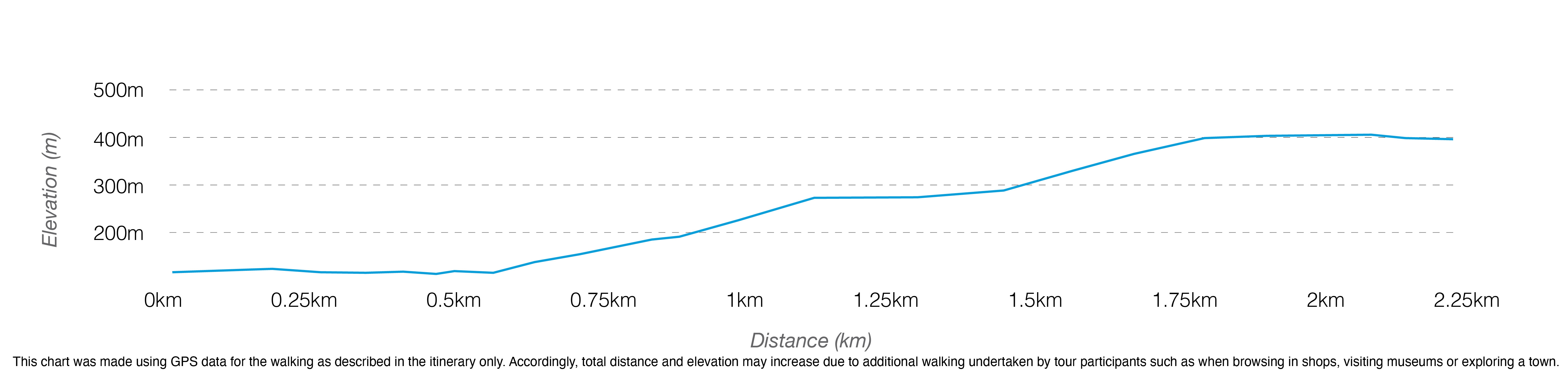
Basho Tohoku Tour: Narrow Road to the NorthDAY TO DAY ITINERARY |  | This itinerary for the Basho Tohoku Tour: Narrow Road to the North tour is ground only. This tour begins in Sendai and ends in Yamagata. Please note that at the end of the tour, travellers are advised not to book themselves out on a morning or afternoon flight as travel by train from Yamagata station to Narita Airport via Tokyo station takes approximately 4 hours and to Haneda Airport approximately 3.5 hours. Yamagata airport is much closer, but has limited flights - please contact us for more information. | ||||||||||||||||||||||||||||||||||||||||||||||||||||||||||||||||||||||||
| ||||||||||||||||||||||||||||||||||||||||||||||||||||||||||||||||||||||||||



Basho Tohoku Tour: Narrow Road to the NorthTRAVEL ADVICE | |
|
The following travel tips are intended to be helpful advice for your Walk Japan tour. In addition, please refer to your own past experience and make adjustments or amendments as necessary. If you require any further advice, please feel free to contact us. | |
Clothing and baggage |
For detailed information about seasonal weather and temperatures, please refer to the page on weather. Generally, however, it is advisable to bring a variety of layers ranging from T-shirts to a top with long sleeves and perhaps a lightweight sweater/fleece if your tour is in early to mid-spring or late autumn. A windproof and waterproof jacket and trousers are essential for warding off any inclement weather. Shorts are acceptable in Japan for both men and women. However, we recommend long trousers for most, if not all, of the hiking itself. Those with zip-on / zip-off trouser legs are an ideal compromise. We also recommend good quality hiking boots that you have already worn in, and collapsible walking poles. You may also like to bring some comfortable casual shoes, sneakers, or sandals, etc., for use in town. The sun's rays can be strong and we recommend a sun hat and sun screen. Some individuals find Japanese pillows uncomfortable and you may like to bring your own inflatable pillow. Yukata, evening gowns for sleeping in, are provided at our accommodation, but we recommend leggings and a top, etc. to wear underneath. This will provide a degree of modesty and help ward off any cold air. Please note that general amenities such as toothbrushes, hairdryers, shampoo, and conditioner, will be provided at all accommodations. On walking days our main luggage is usually sent on ahead to our next accommodation by taxi or other means of transport. Your daypack should be sufficiently spacious to carry only what we need (camera, water bottle, note book, rain jacket, etc.) for the walk itself. For some tours, for good logistical reasons, on one or two days we send our main luggage ahead by overnight courier service. This means we need to carry a few extra items for the night in our day pack. If you are travelling prior to and/or after the tour you may have more luggage. In this case, luggage not required for the tour can be sent on at the beginning of the tour to our final hotel or another destination within Japan. Expect to pay between JPY2,000 ~ 3,000 per item. |
Passport |
Please check that your passport is still valid before travelling and that it has sufficient blank space, usually a single page, for entry and exit stamps. Please also check with your local Japanese Embassy or Consulate whether you will require a visa before travelling to Japan. It is a requirement of Japanese Law that you carry your passport with you at all times in Japan or, if you are resident in Japan, your Residence Card. Please have a photocopy of your passport details kept separately from your passport in case the latter should be lost. This will help speed the procurement of a replacement. |
Visas for Japan |
Japan has Reciprocal Visa Exemption Arrangements with a number of countries. Please refer to your nearest Japanese Embassy or Consulate for details. Walk Japan cannot advise on individual visa requirements. If you need to apply for a visa and require a letter from Walk Japan to support your application, please request this from us no later than six weeks prior to the start of your tour. Walk Japan cannot guarantee the letter will be available in time to complete your visa application if your request is received any later than this date. |
Accommodation |
Our tours include a variety of accommodation including Japanese inns and hotels. This is to provide diverse insights into Japan and its people, but is also for logistical reasons, for example access to laundry facilities. Ryokan and minshuku, both of which are types of Japanese inns, are the most commonly used accommodation on all our tours. Japanese Inns are particularly meaningful to our tours as they also provide us with tangible glimpses of the experiences of Japanese travellers of old, and offer an authentic and enjoyable experience. On our tours some of the inns are more rustic and atmospheric, while others more modern and luxurious. As is traditional, in some inns bathing and toilet facilities are shared but others have en-suite facilities. As is common in Japan, these facilities are spotlessly clean. Please note that these facilities are usually divided into male and female use and, where not, members of the opposite sex will never be expected to share at the same time. In some inns, however, facilities are available for couples to bathe together. |
Meals on Walk Japan tours |
By far the majority of the meals on Walk Japan tours are Japanese style, although on some of our longer tours they may include cuisine of overseas origin, but served with a Japanese twist. In 2013, UNESCO recognised washoku, traditional Japanese cuisine, as an intangible cultural heritage. Six years prior, epicures around the world had been stunned when, for the first time, Tokyo overtook Paris to have the greatest number of restaurants awarded Michelin Stars of any city worldwide; an honour it has retained ever since. The quality of Japanese cuisine is uniformly high across the nation and perhaps especially so in rural regions. Here, a wide range of the freshest ingredients are found easily to hand and, when combined with local culinary traditions, amount to some of the best quality and most unique culinary experiences found in Japan. The Japanese countryside is Walk Japan’s particular speciality. Naturally, then, meals are not only one of the most enjoyable and appealing aspects on all of our tours, but also serve as a delicious and vital sensory gateway to better appreciating Japanese culture at large. Breakfast Morning meals are nearly always enjoyed in our tour accommodation. In traditional inns, a Japanese breakfast is the norm and usually consists of some or all the following: rice, grilled fish, vegetables, miso soup and green tea. Some seasonal fruit, yoghurt and coffee may also be served. Occasionally in inns and nearly always in hotels, western-style breakfasts are also available alongside Japanese dishes. Western dishes usually include bacon, sausages, salad, egg, bread, jam, cereals, soup and yoghurt. Lunch Lunch is either a restaurant meal, bento lunch box or composed of food bought to eat as a picnic en route. Dinner Evening meals at our accommodation are almost entirely Japanese cuisine. These meals are composed of many dishes and will include all or most of the following: raw and cooked fish, meat, vegetables, tofu, miso soup, salad, pickles and white rice plus many other seasonal morsels. Drinks All accommodation provides green tea and water at no charge in rooms and during meals. However, coffee and black tea may not be available at some Japanese inns and if it is, may only be provided at additional cost. If either of these are essential to your morning routine, we recommend bringing your own supply. Hot water is freely available at the inns. Please note that coffee and tea are available from the ubiquitous vending machines and convenience stores found throughout Japan. Alcoholic drinks typically available for purchase include: beer; nihonshu rice wine, which is commonly known as sake; shochu, a vodka-like distilled beverage typically made from rice, sweet potato or wheat; and umeshu sweet plum liquor. Japan has a small but growing viticulture industry, however, wine from overseas is prevalent. Its availability varies between accommodation but invariably found in liquor and food stores. Commonly available soft drinks at our accommodation include cola, lemonade, fruit juices and, perhaps, some typical Japanese refreshments such as Oolong tea and Calpis, a fermented yoghurt drink. Other Tap water is nearly always drinkable; your Tour Leader will advise. While travelling during the day it is not usually necessary to carry more than water, a snack, some extra clothing and a camera. |
Dietary requirements |
As noted above, Japanese cuisine features a plentiful variety of ingredients. If you have dietary preferences, in most cases it should be relatively easy to avoid certain items, and still have plenty to enjoy given the range of dishes in a typical meal. Vegetarian diets Contrary to popular belief, the notion of vegetarianism is not commonly practised nor understood in Japan. Nevertheless, given plenty of notice many of our accommodation hosts will try to replace any fish or meat dishes with alternatives. However, due to the essential and widespread use of dashi stock throughout Japanese cooking, which typically uses fish, or other stock with meat as its base, Walk Japan is unable to provide strict vegetarian meals on tour. Coeliac disease While Japanese culture is based above all on rice, gluten is found in certain ingredients throughout Japanese cuisine, most notably in soy sauce and miso. Although it may be possible to omit certain items that obviously contain gluten, such as bread or noodles, unfortunately it is nigh on impossible to provide fully gluten-free meals due to the use of certain staples that serve as the basis of so many dishes in Japanese cuisine. Other allergies and cross-contamination If you have any food allergies, please make sure to communicate this to us at the time of booking. Subsequently, we will contact you for further information and to let you know how well we are able to accommodate your needs. Importantly, in Japan food is usually prepared in compact kitchens and, as such, cross-contamination is always a risk when travelling anywhere in the nation. Risks and challenges Please note, that relaying your dietary requirements to Walk Japan does not guarantee that your meals will wholly or in part meet your personal needs. For instance, it will not be possible for any accommodation to provide meals free from dashi stock in the case of vegetarians or shoyu soy sauce in the case of coeliacs. We understand that this can be challenging for those observing strict vegetarian diets or those with coeliac disease. Unfortunately, however, the nature of food provision in Japan means that there are limitations as to how far we can cater to individual requirements. Your Walk Japan Tour Leader will explain the contents of all meals and help you avoid anything you may not wish to eat or should avoid. However, the Tour Leader cannot take responsibility for what may or may not be in any particular dish. Ultimately, neither Walk Japan, your Tour Leader nor accommodation providers can be held responsible about the constituents of any dish. |
Vaccinations and general health |
Vaccinations are not normally required for Japan. However, please check with your own government’s health authorities for their latest advice. The weather is generally benign in Japan. Summer, however, can be hot and humid and the rays of the sun strong. To help avoid sunstroke and dehydration use sunscreen, a wide-brimmed hat, sunglasses and drink water regularly. Mountain sickness is not an issue on Walk Japan tours, which rarely reach an altitude above 1,600m (5,250ft). Walk Japan will advise if on a private custom tour the itinerary includes heights where altitude sickness is a possibility. Water from the tap in accommodation in Japan is usually safe and drinkable. If in doubt please ask your tour leader or purchase drinks from one of the ubiquitous drinks machines found almost everywhere. |
Medicines and cosmetics |
Although the Walk Japan Tour Leader carries a first aid kit please bring your own basic supply of adhesive bandages, blister plasters, antiseptic cream, etc. Some medicines and cosmetics with which you are familiar may not be available in Japan, although there are usually similar products. Prescription medicines in Japan may differ from foreign medicines in minor, but possibly unacceptable, ways. If you require a specific medicine or cosmetic, either for health or comfort, please bring sufficient quantities with you. Please be aware that there are restrictions on bringing certain medicines into Japan. For example, certain medication is illegal in Japan, even for personal reasons, while other medication may require additional documentation before arrival, depending on type and quantity. Please refer to the relevant page on the Ministry of Health, Labour & Welfare of Japan website for further details and use the contact listed to have any of your questions answered by Ministry staff. Walk Japan cannot provide advice in this regard. |
Getting into shape |
Walk Japan's tours are not a test of endurance. However, Japan is a hilly country and being in reasonable shape will help you maximise your enjoyment. The best way to get fit is to start exercise gradually and build up over a period of time. Regular walking, including some ups and downs, should be sufficient practice for most of our tours. Please see the tour levels found in the Quick Information box for each tour on our website for specific information. |
A typical day on tour |
Although every tour is different, the following provides a general idea of what to expect each day. We have breakfast between 7 ~ 8am in our accommodation, following which we send our luggage, usually by taxi, onto the next place we stay at. Water bottles may be filled at our accommodation before setting out on our day's walk or drinks purchased at one of the dispensers found along our route. We walk 2.5 to 3.5 hours in the morning before stopping for lunch. This is usually about 40 minutes and is either at a restaurant or will be a picnic, the ingredients for which we buy en route, enjoyed al fresco in a pleasant spot. After lunch, we walk another 2.5 to 3.5 hours and usually arrive at our accommodation between 4 ~ 5pm. We have time to relax and bathe before dining together as a group between 6 ~ 7pm. During dinner the tour leader describes the itinerary and weather conditions for the next day and will repeat this and, where necessary, update details at breakfast the following day. The tour leader may occasionally suggest changes to the itinerary in order to incorporate an interesting local event or similar but any changes are agreed with the tour group. |
Walking in a group |
Walk Japan's tours attract people of varied walking abilities. The pace of tours is set by the tour leader and, in general, is a pace at about 80% of the speed most people stroll around town. This is not just to accommodate slower walkers but also to allow everyone to thoroughly enjoy the countryside we walk through. Depending on the tour, on some days the tour leader may be able to provide additional walking to those who want it. It is also sometimes possible to reduce the amount of walking - by travelling onwards by taxi or public transport - for anyone who would like to take a particular day more easily. The Walk Japan tour leader will advise. |
Terrain and footwear |
Our tours may include a mixture of terrain ranging from country lanes through gravel tracks, uneven forest paths to rocky mountain trails. How much each surface is included varies from tour to tour: The Nakasendo Way and Basho Tour for example include walking along lanes, gravel tracks and forest paths. Whereas, the Kunisaki Trek, Kumano Kodo Pilgrimage and Hokkaido Hike are mostly on forest paths and mountain trails. Our city tours, including the Kyoto Tour and Tokyo Tour, are almost entirely on road or pavement. For all of our tours we recommend good trail shoes that have ankle support and are at least water resistant, ideally waterproof. For tours such as the Kunisaki Trek and Hokkaido Hike mountain boots are also suitable. For the city tours any comfortable walking shoes that provide support are also suitable. Please note, however, that whatever footwear you intend to use, please make sure that you have worn them in. The principal cause of discomfort while walking is blisters caused by new shoes or shoes that have not been worn in sufficiently. Also, please do not use footwear more than ten years old as glue deteriorates causing soles to separate from uppers. Finding new footwear to fit is often not easy outside of big cities and in mountainous areas impossible. |
Photography & drone usage |
In general, taking photographs is not a problem. However, if taking photos of individuals or groups please ask their permission first. Please do not take photographs of young school children, unless first agreed by their parents or guardians. The use of drones is heavily regulated in Japan and penalties are severe when not abiding by the law. Because of this we cannot recommend or allow their use on tour. Please refer to Japan’s Ministry of Land, Infrastructure, Transport and Tourism website for details. |
Access to cash, credit and debit cards |
Changing foreign currency at a bank can be a time consuming exercise. Instead, we recommend alternatives, including arriving in Japan with some Japanese currency, using credit cards and withdrawing cash from ATMs. ATMs in post offices provide cash against most credit/debit cards such as Visa, MasterCard, American Express, Diners Club International, PLUS, Maestro, Cirrus, Union Pay and JCB. Post offices are ubiquitous in Japan and found in the smallest village. There may be a daily withdrawal limit for international cards. 7-Eleven, Lawson and Family Mart convenience stores also offer a similar service. The ATMs at convenience stores are available 24 hours a day, 365 days a year. Japanese bank ATMs do not provide cash against credit cards, nor will they provide access to foreign bank accounts with the exception of a very small number of ATMs designated to do so. These are found only in major urban centres. Credit and debit cards have become widely used in Japan but should not be relied upon especially in the countryside. Mobile payments are likewise widely used in Japan but these are mainly domestic services and often difficult or impossible to use by non-residents with the exception of Alipay, WeChat Pay and Apple Pay. Before leaving your home country, please check that your credit/debit card can be used abroad and the applicable fees for overseas withdrawals. |
Mobile/Cell phone usage and the internet |
A wide variety of call and data plans are available for visitors to Japan, and we are unable to recommend any one particular provider. What may be most ideal is dependent upon the length of your stay in Japan and the purposes for which you require it. Before arrival, please verify with your provider that your phone will work while in the country and check associated charges before leaving for Japan. You can always be reached while on tour through your Walk Japan Tour Leader’s mobile phone, the number of which is provided prior to your tour. Please note, however, that in the Japanese countryside, mobile reception can be variable outside of village, town and city centres. WiFi internet access is widely and freely available in Japan, including at almost all accommodation used on tour. Details about internet availability are found in the Pre-tour Pack for your tour. A comprehensive guide to Internet access, WiFi and SIM cards can be found here. |
Electricity |
Japan uses a 100v 50/60mhz electrical system. Electrical goods use the 'American' (Type A) plug, with two vertical pins. If the device you wish to use says something like '100- 240V, 50/60 Hz', it will work anywhere in the world with the right plugs. This covers most, if not all, computers, iPads, mobile/cell phones and battery chargers. |
Problems |
Please immediately inform your tour leader of any problems that arise whilst on the tour. In most circumstances they will be able to deal with the issue at hand. When this is not possible, Walk Japan's support team will provide assistance. In the case of injury or illness please inform the tour leader immediately so that they may provide assistance. Please note that should medical treatment be required some insurance companies need to be notified within a limited time period or, in the case of evacuation, only cover expenses incurred if they have made the arrangements. Please confirm the details of your insurance policy and follow stipulated procedures. |
Tipping | There is no tradition of tipping in Japan. No Japanese person expects nor will solicit tips. If, however, you feel your Walk Japan tour leader has provided you with excellent service and you would like to reward that please feel free to offer a tip. Please, though, on no account feel that you have to do so. |
Basho Tohoku Tour: Narrow Road to the NorthJAPANESE ETIQUETTE | |
| The Japanese people are forgiving towards their visitors from overseas. However, there are a few essentials to abide by and other manners that will be quietly appreciated by your hosts. Some manners may seem a bit oppressive when read here but in practice are much less onerous. If in doubt, ask your Walk Japan Tour Leader. | |
Manners in an Inn or Home |
Taking off shoes and wearing slippers Never enter a Japanese-style inn or home with your shoes on. Within the entrance there is usually a step up into the building proper. Slippers, which are to wear inside, lined up awaiting use are another common indicator that you are at the appropriate place to remove your shoes. Ideally, you should slip out of your shoes, stepping straight up into the interior and not walk around in stockinged or bare feet in the entrance area, i.e. where shoes are left. Slippers, tatami mats and lavatories Tatami straw mats are nearly always used in Japanese-style rooms. The mats are multi-purpose and used for sitting, dining and sleeping on. They are also easily damaged so only walk on them in stockinged or bare feet. Slip off your slippers at the entrance to the room, before stepping on the tatami, and leave them there. Slippers are also stepped out of when entering a lavatory. Inside are always placed another pair of slippers, usually brightly coloured, for exclusive use within. Always remember to leave them in the toilet area after use and not walk around the building in them. This is a faux pas that creates great laughter and will cause your hostess to quickly scurry off with the offending articles. This slipper shuffle does not apply to public toilets, where your shoes remain on. Respected areas in a traditional room Do not sit on tables or in the tokonoma, an alcove used for displaying a scroll with a seasonal theme, flowers, and a ceramic objet d’art. Invariably, rooms will have chairs within. Arranging the futon Japanese inns come in two styles: ryokan and minshuku. The difference can sometimes be difficult to fathom except when it comes to futon bedding. In a ryokan your futon will be laid out for you, whereas in a minshuku you lay out your own. Orientate the futon such that your head is pointing in any direction except north. Only the deceased are laid out at funerals with their head to the north. The bedding is laid out with one or two heavier shiki-buton thin mattresses laid first, sometimes with a light, foam layer below these. A cotton sheet covers the shiki-buton over which is the final kake-buton duvet/comforter layer. When cold, a blanket will also be provided. |
Bathing Decorum |
The Japanese way of bathing, whether in onsen hot springs or regular baths, is a ritual with particular rules to follow and a description follows below. However, hotels are the exception. Whether Japanese or western-style, in hotel rooms with en suite facilities bathing is in the same manner as you are used to in your own home. Entering a Japanese bath The entrance to communal baths are usually doors or a noren curtain marked with the character “ゆ”, which means hot water. Usually, the noren is either coloured pink or red for women, and blue or purple for men, Increasingly, signage includes wording in English indicating the female and male baths. Depending on the accommodation, you may need to take towels that are provided in your room to the baths. Frequently, there are two towels, a larger one for drying after the bath and a smaller one that can be taken into the bathing area to use as a flannel. Also take along a yukata with obi to change into after bathing. Undress in the changing area, leaving your clothing in the receptacle, usually a basket or locker. Clothing will be fine left in a basket but please make sure that any valuables are left in lockers, found in the changing area, or in the safe, which you will find in your room. Bathing The Japanese way of bathing is always to soak in the baths and not wash in them. Before entering a bathtub use the adjacent faucet/shower unit to wash. Make sure to completely rinse off any soap, shampoo and conditioner suds. Avoid spraying your neighbours with water when using the shower. In smaller establishments, the bath is shared in turn by everyone so do not empty it after you have bathed. Also, return the wood or plastic cover, if there is one, over the top of the bath. The Japanese like bathing in fairly hot water 38 to 45C, (100 to 113F). If you find the water too hot you may add some cold water, but not so much that it becomes tepid. Others following in the bathing queue will not appreciate it. In larger establishments there will not be a top cover and usually no opportunity to alter the water temperature. Take your small towel with you into the bathing area to use as a flannel and also to rub off the excess moisture on your body before re-entering the changing area after soaking. Make sure any soap is washed out of the towel. Also, do not dip it into the bath water. Instead, place it somewhere outside of the bath or folded on your head while soaking. Long hair should be tied up so that it does not fall into the bath water. Disposable shower caps are often available in the changing area. Baths are for a relaxed soak and not for swimming or other playful activity. Avoid much eating or drinking alcohol before bathing, and take care when rising up out of the bath. First-timers may feel faint if they sit in the bath too long and/or rise out of the water too quickly. If feeling unwell, first, sit on the edge of the bath and allow your body a few minutes to adjust. Whether having felt faint or not, make sure to drink plenty of water after bathing. Water vending machines are usually found in and around the changing area. Either leave your wet towels in the provided laundry basket or take them back to your room, where there will usually be a towel rack. Be sure not to leave damp towels on tatami mats. The towels can be used again for an early morning wake up soak. Tattoos and communal bathing As a general rule, visitors with tattoos are not allowed into communal baths because of the artworks’ association with organised crime. However, in recent years the growing number of foreign visitors has seen some establishments relax their policies. Before entering the bath just let your host or hostess know you have a tattoo and frequently they will come up with a solution that keeps everyone happy. For example, other Japanese guests tend to bathe earlier and you may be asked to go that little bit later, or a private bathing area, which may be at an additional charge, will be made available for your use. |
Dining and Drinking Manners |
Chopstick do’s and don’ts Do not stick your chopsticks vertically into a bowl of rice and leave them there. Do not pass food between chopsticks, instead pass food onto a plate. These are both taboo because they are associated with funerals. Do not play with, point with, or spear your food with chopsticks. You may, though, very occasionally see Japanese surreptitiously spear a particularly slippery morsel. Leaving excess food Make an effort not to leave food, especially rice. You can usually control the amount of rice you receive and can always have more. If you have ever grown rice the Japanese way, which is time-consuming and laborious, you will appreciate why they tend not to leave even one grain. Never pour soy sauce over rice. Japanese rice is considered good tasting - and it usually is - although other foods may be added atop the rice for flavour combinations, it should never be adulterated with soy sauce, an act considered an affront by most Japanese. When eating sushi or sashimi a separate small dish is provided for soy sauce. Pour in only as much as you will use. You can always add more to your dish should you run out. Refilling a companion’s glass When sharing a meal, or just drinking, make an effort to fill or refill the glasses of your companions. They will return the compliment. If you have an empty glass and nobody has noticed, serve someone else. Japanese companions will respond in kind. You may be thought a bit of a lush if you pour your own alcoholic drink. If you do not want a refill leave your glass full. The Japanese often like to start a meal with a toast and, just beforehand, you will be plied with a drink, which is usually alcoholic. Even if you do not drink, accept it and at the toast make a gesture of drinking it. A clear refusal of anything, especially at a time of enjoyment, is a bit jarring to Japanese sensibilities. However, going through the motions is perfectly acceptable. In recent years, oolong tea or a similar non-alcoholic beverage is increasingly offered as an alternative. Manners before and after eating It is polite to say Itadakimasu, a humble-honorific meaning ‘to receive’, once before eating or drinking, and Gochiso sama deshita, meaning ‘That was a feast’, to your host or the restaurant’s staff after finishing your meal. Hand towels Upon sitting for a meal, the host or waiting staff will offer you an oshibori, a small towel that may be warm or cool depending on the season. These are used to wipe your hands before eating. They are typically not for wiping one’s face although some male Japanese will do this. |
Travel Customs |
Walking and eating in Japan Japanese tend not to eat while walking along or standing around on the street. However, it is acceptable to drink while standing aside vending machines, which are ubiquitous in Japan. Eating and drinking on local trains is also frowned upon, but not long distance express trains such as the Shinkansen bullet train. Manners on the train When riding on trains and buses turn your mobile/cell phone to silent mode and do not use it for conversation. Text messaging, though, is not considered a problem and you will see many Japanese furiously tapping away. Rubbish disposal Rubbish bins are hard to come by even in large cities, let alone in small villages and on hiking trails. As such, be prepared to carry any rubbish to your accommodation. Cans and bottles can be disposed of in receptacles found aside almost all drink vending machines. Photography Refrain from taking pictures of others without their consent, especially the guardians of children. Tipping Tipping is not required nor expected. Taxi travel When hailing a taxi, do not open or close the taxi door by yourself as it is controlled by the driver. This can be very useful if your hands are full with, for example, hiking gear or shopping. Umbrella covers and stands Umbrella stands are often found outside shops and restaurants. Use these on rainy days before entering. Some establishments provide plastic covers for umbrellas. Slip this over the wet article and walk in with it in hand. Pointing If you need to indicate a person, object or direction, wave your fingers with the palm face up in the general direction. Especially never point your finger, feet, or chopsticks at people. If you would like to indicate yourself, the customary way to do this is to point at one’s nose. Blowing your nose Refrain from blowing your nose in front of other people and only use paper tissues for the purpose. If you cannot help having a blow or need to sneeze, turn your back on your Japanese counterpart. When face to face a dainty dab is not considered rude. Exchanging business cards If you are given a business or name card accept it with both hands. First look at it before carefully putting it away. If you are sitting at a table, place the card on the table in front of you. Do not fold it, play with it, or write on it especially in front of the giver. At an appropriate moment, either at the end of the meeting or after a reasonable period of time has elapsed, put it away into your card holder. Formal seating arrangements If you are visiting someone, especially for business, do not sit down of your own accord. Allow your Japanese host to indicate the seat for you to use. This would, in normal circumstances, be considered the best in the room. Souvenirs When visiting a Japanese family, take a small gift. A food item, such as a box of biscuits or sweets, cakes or seasonal fruit, is ideal. |
Basho Tohoku Tour: Narrow Road to the NorthWALK JAPAN AND THE COMMUNITY PROJECT | |
| Walk Japan Established in 1992, Walk Japan is an independently owned and managed travel company that enlightens and enriches its guests on walking tours through many less-travelled regions of Japan from Hokkaido in the nation’s far north to Okinawa in its far south. Walk Japan’s pioneering tours evolved from study trips run by two Hong Kong University academics and since then, Walk Japan’s Tour Leaders have guided many tens of thousands of people from around the world through Japan’s natural beauty, history, society and culture that is otherwise often difficult to access and fully appreciate. Community Project Walk Japan’s Community Project endeavour has grown beyond our wildest dreams since we established it in 2007. Whilst our tours, which go to many rural areas throughout Japan, bring economic and societal benefits to the locals, our Community Project is doing the same in a concentrated and much more broadly based fashion reinvigorating and providing a sustainable future for Ota, our home village on the Kunisaki Peninsula in Oita Prefecture. Our Project has its origins in our CEO’s long-held desire to live in the countryside. He moved to Kunisaki in 2002, and began farming, helping his neighbours and caring for his first piece of land, a forest, he had purchased. About the same time, he also took on running Walk Japan and established the company’s first permanent office, a small room in his home. Since then, our Community Project has grown significantly both in size and scope. We now farm a significant area, at least by usual Japanese standards, for rice, wheat and shiitake mushrooms, and have many hectares of forest, both natural and legacy kunugi oak and cedar plantations. We have taken on many akiya vacant properties, which are a large and growing problem in Japan, revitalising and repurposing them for a variety of uses including as accommodation for families and visitors, offices, places to gather and for schooling. A significant number of Walk Japan’s staff work in our offices here, an area where there is otherwise little prospect for good and gainful employment. We also provide tuition in the English language, which is sorely needed in the village, for our colleagues and neighbours’ children. We know that others have moved to the area, not least to work with us, but also, inspired by what we have achieved, to establish their own lives and businesses in the area. These include both Japanese and non-Japanese people from around the world. At any one time, we have more than ten different nationalities working together providing a vibrant and most unexpected buzz in a deeply rural community. When colleagues visit from our other offices in Japan and around the world, the number of countries represented easily surpasses twenty. We welcomed our first volunteer to the Community Project in 2011, since then the number of volunteers and other guests, Japanese and international, has grown significantly. These include the British Ambassador, university researchers and students, bureaucrats, business people and the world’s media. We have achieved a great deal since 2002, but there is still much more to do. Rural decline, mainly a result of depopulation, is a serious issue for Japan and a growing number of countries around the world. We have made a start but there is much more for us and many others elsewhere to do to arrest the situation. We make regular updates on our progress and new developments in our newsletter and through social media so please do check them out and join in. Participants on our Kunisaki Trek, Kunisaki & Yufuin Walk, and Kunisaki Retreat tours and School Trips visit the Community Project and see for themselves what we are up to - the students also join in. However, anyone interested is welcome to come and see for themselves and, if they wish, join in as a volunteer. For more information please visit Walk Japan Community Project. |
Basho Tohoku Tour: Narrow Road to the NorthREADING LIST | |
| Not everyone wishes to do some 'homework' before their holidays but for those with the time and inclination any of the following books provide interesting and useful background on Japan for your tour. |
|
History, Society, & Culture |
A History of Japan. 2nd Edition. Conrad Totman (Blackwell 2005). An authoritative and accessible work for the student and lay reader. Kyoto. A Cultural History. John Dougill (Oxford 2006). An introduction to Kyoto from the perspective of the various arts and traditions associated with this city, once Japan's capital for over a thousand years. Everyday Life in Traditional Japan. Charles J. Dunn (Tuttle 1972). A fluent and concise account of daily life of the various social strata during the Edo period (1603-1868). A Diplomat in Japan. Ernest Satow (Yohan, 2006). A fascinating, first-hand account by a British diplomat of the turmoil in Japan at the end of the Edo Period and the early Meiji-Period. First published 1921. Japan. Its History and Culture. Fourth Edition. W. Scott Morton & J. Kenneth Olenik (McGraw Hill 2005). A quick, easy introduction to Japanese history. Embracing Defeat: Japan in the Aftermath of World War II. John Dower (Penguin 1999). A comprehensive account of the years after Japan's surrender and occupation. Japanese Culture. Fourth Edition. Paul Varley (University of Hawaii 2000). A well-written survey of Japanese culture from its emergence to modernity. Covers all the major Japanese art forms. Yoshimasa and the Silver Pavilion. Donald Keene (Columbia University Press 2003). The life of a Shogun who, while incompetent as a ruler, had great influence on the development of Japanese culture. Written by a renowned expert on Japan. The Flowering Spirit. Classic Teachings on the Art of Noh. Zeami. Trans. William Scott Wilson (Kodansha International, 2006). An excellent introduction and companion to this esoteric and often difficult to understand ancient form of theatre. Geisha. The Secret History of a Vanishing World. Lesley Downer (Headline 2000). An insight into the real lives and hardships of the Geisha. Dimensions of Japanese Society. Gender, Margins and Mainstreams. Kenneth G. Henshall (Palgrave Macmillan 1999). An academic but accessible insight into the many complex layers of Japanese society. A Dictionary of Japanese Food - Ingredients & Culture. Richard Hoskings (Tuttle 1972). A listing of the foods of Japan. Contemporary Japan. 2nd Edition. Duncan McCargo (Palgrave Macmillan 2004). A short but detailed introduction to modern Japanese politics, economy and society. The Making of Modern Japan. Marius B. Jansen (Harvard 2002). An excellent book for both layman and student on general Japanese history since 1600. The State and Politics in Japan. Ian Neary (Polity 2002). A comprehensive guide and useful companion book to understanding modern Japanese politics in the post-war period. |
Samurai |
The World Turned Upside Down - Medieval Japanese Society. Pierre François Souyri. Trans. Käthe Roth (Pimlico 2002). An excellent and exciting account of samurai history. Secrets of the Samurai - The Martial Arts of Feudal Japan. Oscar Ratti & Adele Westbrook (Tuttle 1973). A must read for anyone interested in the details of martial arts. Excellent descriptions of weapons as well as strategies, organisation and techniques employed by the samurai. The Taming of the Samurai. Eiko Ikegami (Harvard University Press 1995). A good if rather academic treatise on the Japanese warriors society. |
Architecture |
The Japanese House - In Space, Memory, and Language. Takeshi Nakagawa. Trans. Geraldine Harcourt (International House Press 2005). A useful companion for appreciating the details of the traditional Japanese house and life within them. Japanese Homes and their Surroundings. Edward S. Morse (Tuttle 1972). A very good introduction to Japanese architecture and building techniques by a visitor to the newly 'opened' Japan in the late C18th. First published in 1886. |
Japanese literature & Poetry |
The Book of Five Rings. Miyamoto Musashi. Trans. William Scott Wilson (Kodansha 2002). A book about the strategy and combat of feudal Japan that has now found application in business around the world. Narrow Road to the North. Basho. Trans. Nobuyuki Yuasa (Penguin Classics 1966). The classic collection of haiku poetry by the greatest exponent of the art. The Snow Country. Yasunari Kawabata. Trans. Edward G. Seidensticker (Penguin Classics 2011). The Nobel Prize winning author's most famous work, a tale of love between a dilettante and a geisha in a provincial resort town deep in Japan's snow country. Rashomon and Seventeen Other Stories. Ryounosuke Akutagawa. Trans. Jay Rubin (Penguin Classics 2006. Rashomon is one of the early works on moral ambiguity by Japan's greatest exponent of the short story form. The film of the book was made by the legendary Akira Kurosawa. |
Travelogue |
Unbeaten Tracks in Japan. Isabella L. Bird (ICG Muse 2000). An account of travels in 19th Century Japan by one of the most adventurous women travellers of the Victorian age. Hitching Rides with Buddha. Will Fergurson (Vintage 1998). A knowledgeable and entertaining description as the writer follows the cherry blossom through Japan. This book is also published as Hokkaido Highway Blues. The Roads to Sata. Alan Booth (Kodansha 1997) and Looking for the Lost: Journeys Through a Vanishing Japan. Alan Booth (Kodansha 1996). Two insightful books on the author's journeys by foot through the Japanese countryside. |
Polemic |
Lost Japan. Alex Kerr (Lonely Planet 1996) and Dogs and Demons: Tales from the Dark Side of Japan. Alex Kerr (Hill and Wang 2002). Two thoughtful and passionate books on modern Japan. A Japanese Mirror: Heroes and Villains of Japanese Culture. (Jonathan Cape 1985) and Inventing Japan: From Empire to Economic Miracle. Ian Buruma (Phoenix 2005). Buruma's work provides many sharp, interesting criticisms of Japan. |
 |